
"rural tombstones"
2428 article(s) found

Colombian coffee growing environment
The pure taste of Colombian coffee comes from Colombia's natural environment with the most favorable conditions for coffee growth. But beyond that, it is inseparable from the hard work of local growers. In Colombia, coffee cultivation has reached 1.07 million hectares, there are about 302000 coffee plantations in the country, and 30 to 40 per cent of the rural population depends directly on coffee production. Columby

Introduction to the Brand Culture of Fine Coffee
Aiyi Group is the only partner of Starbucks in the Asia-Pacific region, a national key leading enterprise in agricultural industrialization, an advanced leading enterprise in promoting the industrialization of agriculture with Yunnan plateau characteristics, the first national top ten model enterprises for agriculture, rural areas and farmers in CCTV, and won the nomination Award of Yunnan Provincial Governor Award in 2010. The group's brands Aiguo Manor Coffee and Aishi Beef have all passed organic certification. Love you because

Description of Standard Flavor of washed Cochell Coffee by hand
A brief introduction to the Standard Flavor description of hand-washed Cochelle Coffee A brief introduction to the Grinding scale Yega Xuefei's coffee trees were planted by European monks (a bit like Belgian monks growing wheat to brew beer) and were later transferred to farmers or co-operatives. Yejasuefei is actually constructed by surrounding coffee communities or cooperatives, including Edido Idido, ha, near Fog Valley Misty valley.
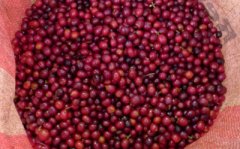
Introduction to the origin of boutique coffee beans Coffee from Papua New Guinea
The frost in 1975 destroyed most coffee crops in Brazil, but stimulated the development of the coffee industry in Papua New Guinea. The Government has implemented a scheme to subsidize rural or collective landowners to create about 20 hectares of coffee plantations. This measure does increase the penetration of coffee in the local economy, resulting in an increase in the annual output of coffee. Papua New Guinea.

Burundi Coffee Flavor Description Manor Area Treatment Variety Features
Burundi coffee flavor Description Manor production area processing method Variety characteristics Introduction Burundi people think that distant relatives are not as good as neighbors, very cherish neighbor relations, neighbors have something to do, should do their best to help. On holidays, we should first congratulate our neighbors; when we have good wine, we should first invite our neighbors to drink. In rural areas, neighbors have the duty and power to discipline their children, such as a child doing bad things, neighbors teach adults

Coffee has entered ordinary people's homes
I always thought coffee was something that only the upper class could enjoy, but now it can actually enter the homes of ordinary people, so why did coffee spread until now, and why did the price of coffee drop now? For those of us who live in rural areas, we may not have tasted a real coffee drink when we were young. We feel envious when we see others eating some coffee sugar and smelling that fragrance.

How did you get the coffee from Papua New Guinea? how's the coffee from Papua New Guinea?
Professional coffee knowledge exchange more coffee bean information please follow the coffee workshop (Wechat official account cafe_style) in 1885, the island of New Guinea became a colony for the first time, Germany occupied the north and Britain occupied the south. At that time, the rugged, mountainous interior had not yet been mapped, and it was thought to be too desolate to live in.

Alpine Coffee-A brief introduction to the planting Environment and Variety treatment of Coffee from Tianyi Manor in Nicaragua
Dipilto is one of the smallest municipalities directly under the Central Government in Nicaragua, covering an area of 106square kilometers. 90% of the population, 5000 of the residents live in rural areas. Dipilto is famous for its pine forests, warm climate, religion, people's loyalty and its high-quality coffee. Coffee cultivation is one of the traditions maintained by the local people of Dipilto. The fertile soil is full of organic matter

Nicaraguan Coffee Bean Flavor and Taste Manor production area introduces Tianci Manor
Dipilto is one of the smallest municipalities directly under the Central Government in Nicaragua, covering an area of 106square kilometers. 90% of the population, 5000 of the residents live in rural areas. Dipilto is famous for its pine forests, warm climate, religion, people's loyalty and its high-quality coffee. Coffee cultivation is one of the traditions maintained by the local people of Dipilto. The fertile soil is full of organic matter

Introduction to the six major producing areas of Colombian coffee
The six major producers of Colombian coffee introduce the natural environment in Colombia which has the most favorable conditions for coffee growth. But beyond that, it is inseparable from the hard work of local growers. In Colombia, coffee cultivation has reached 1.07 million hectares, there are about 302000 coffee plantations in the country, and 30 to 40 per cent of the rural population depends directly on coffee production. Although Colombia

Taste of Nicaraguan Coffee with fertile soil introduces Matagalpa
Dipilto is one of the smallest municipalities directly under the Central Government in Nicaragua, covering an area of 106square kilometers. 90% of the population, 5000 of the residents live in rural areas. Dipilto is famous for its pine forests, warm climate, religion, people's loyalty and its high-quality coffee. Coffee cultivation is one of the traditions maintained by the local people of Dipilto. The fertile soil is full of organic matter

Introduction to the producing area of Papua New Guinea Coffee grown under Natural conditions
The frost in 1975 destroyed most coffee crops in Brazil, but it affected the development of the coffee industry in Papua New Guinea. * * A scheme has been implemented to subsidize rural or collective landowners to create about 20 hectares of coffee plantations. This measure has indeed increased the penetration of coffee in the local economy, and by 1990, the annual output had reached 1 million bags. However, hardly ever.

Introduction to the description of Manor Flavor of Peruvian Coffee Bean
Peru is a huge and diversified land for them to produce a large number of different kinds of coffee beans, Peru can produce very high-quality Peruvian coffee. In general, these coffee beans have the gloss of Central America, but they are all packaged in South American flavor. High-quality organic venues do have more rural coffee characteristics. As long as these coffee beans keep adding interesting things

Introduction to Lazmus Manor in Colombia Coffee producing area with the most favorable Natural Environment
The pure taste of Colombian coffee comes from Colombia's natural environment with the most favorable conditions for coffee growth. But beyond that, it is inseparable from the hard work of local growers. In Colombia, coffee cultivation has reached 1.07 million hectares, there are about 302000 coffee plantations in the country, and 30 to 40 per cent of the rural population depends directly on coffee production. Columby

Varieties of Kenyan boutique Arabica coffee beans introduce how Kenyan coffee beans taste good by hand.
Flavor and taste characteristics: full-bodied aroma, balanced acidity. Coffee is a part of African life, whether in the depths of the most remote East African Rift Valley, or in the Maasai nomadic Masai Mara prairie, whether urban or rural, you can always smell coffee and go, stay and savor. Carve those endless African times with a cup of coffee. Kenya is located in Ethiopia

Introduction of boutique coffee beans in Wiki Valley, a coffee-producing region of Papua New Guinea
The frost in 1975 destroyed most of Brazil's coffee crops, but it boosted the industry. * * A scheme has been implemented to subsidize rural or collective landowners to create about 20 hectares of coffee plantations. This measure has indeed increased the penetration of coffee in the local economy, and by 1990, the annual output had reached 1 million bags. However, it is almost inevitable that production will soar.

The planting Environment of Colombian Coffee Tree Manning Indonesia
The pure taste of Colombian coffee comes from Colombia's natural environment with the most favorable conditions for coffee growth. But beyond that, it is inseparable from the hard work of local growers. In Colombia, coffee cultivation has reached 1.07 million hectares, there are about 302000 coffee plantations in the country, and 30 to 40 per cent of the rural population depends directly on coffee production. Columby

Peruvian Coffee Grinding characteristics and Flavor description introduction to Fine Coffee beans in Manor
Peru is a huge and diversified land for them to produce a large number of different kinds of coffee beans, Peru can produce very high-quality Peruvian coffee. In general, these coffee beans have the gloss of Central America, but they are all packaged in South American flavor. High-quality organic venues do have more rural coffee characteristics. As long as these coffee beans keep adding interesting things

Introduction to the origin of boutique coffee beans the origin of round bean coffee in Papua New Guinea
The frost in 1975 destroyed most coffee crops in Brazil, but stimulated the development of the coffee industry in Papua New Guinea. The Government has implemented a scheme to subsidize rural or collective landowners to create about 20 hectares of coffee plantations. This measure does increase the penetration of coffee in the local economy, resulting in an increase in the annual output of coffee. Papua New Guinea.

Coffee brewing method: traditional Costa Rican coffee brewing method Chorreador de Cafe
The traditional Costa Rican coffee brewing method, Chorreador de Cafe, is actually very simple, which is to use a coffee brewer, put on a cloth coffee filter, and then brew it in a kettle and stop. Fresh air, pure water, good coffee and good friends its all Pura Vida! Chorreador: it's coffee brewed by Costa Ricans.